Showing posts with label Spirituality. Show all posts

Thursday, October 6, 2011

أقوال للقدّيس يوحنّا التبايسي

كتب المقال راهبات دير مار يعقوب دده   

* أنواع الصّمت:

 - صمت اللسان، وهو ألاّ يتكلّم كلاماً رديئاً.

 - صمت الجسد، وهو أن تبطل منه كلّ الاحساسات الشّريرة.

 - صمت النّفس، وهو الاّ تنبع منها أفكار رديئة.

 - صمت العقل، وهو ألاّ يفكّر بأمور ضارة.

 - صمت الرّوح، وهو أن يهدأ العقل من كلّ حركة أرضيّة، وتختلج جميع حركاته بالدّهش الصّامت.
READ MORE

Monday, September 12, 2011


AN ORTHODOX UNDERSTANDING  OF ACTS OF MERCY
Fr. Thomas Hopko
Christ commanded his disciples to give alms. To "give alms" means literally "to do" or "to make merciful deeds" or "acts of mercy." According to the Scriptures the Lord is compassionate and merciful, longsuffering, full of mercy, faithful and true. He is the one who does merciful deeds (see Psalm 103).
Acts of mercy are an "imitation of God" who ceaselessly executes mercy for all, without exception, condition or qualification. He is kind to the ungrateful and the wicked.  READ MORE

Wednesday, August 3, 2011

هل الخوف نعمة أو نقمة؟


  بقلم: الأب انطونيوس مقار إبراهيم

 كي يتسنى لنا التأمل في هذا الموضوع علينا أن نطرح بعضاً من الأسئلة التي ربما تفيدنا في حياتنا: ما هو الخوف؟ وكيف نتخلص منه؟.. وما هو الفرق بين الخوف والمخافة؟ وهل هناك ما يسمى خوف إيجابي وخوف سلبي؟ أو بمعنى أخر: هل من خوف نافع وخوف ضار؟.. وهل هو مرض أم تقوى؟.. نعمة أم نقمة؟ هل هناك مواعيد من الله تطمئنا عند خوفنا؟.. كثيرةٌ هي الأسئلة والأفكار التي تجول في خاطري وخاطر البعض منكم حول موضوع الخوف. وأريد أن أطمئنكم كما أطمئن ذاتي بما قاله المرنم في المزمور “الرب نوري وخلاصي فممن أخاف؟” (مز4:23).

Thursday, July 28, 2011

حول الانفصال عن الله: مختارات من البوق الإنجيلي 
مكاريوس معلّم باتموس 
نقله إلى العربية الراهب أثناسيوس الدمشقي
       إنني قد طالعت كتاب أعمال الرسل فوجدت فيه كلاماً مسطراً عن بولس المطوّب. أنّه لما عزم على السفر من كورنثوس، سبّب للمؤمنين تأسفاً على فراقه وتحسراً عظيماً، وجلب عليهم غماً وألماً جسيماً.
حتى أنهم انطرحوا منكبّين على عنقه، وطفقوا يطلبون إليه ببكاء جزيل وعبرات غزيرة، ألاّ يدعهم خائبين من مشاهدته. فوعدهم بحضوره لعندهم. فبالنسبة إلى هذا الأمر اعتبر حالَك أيها الخاطئ التعيس المنكود حظه.
يا ليت شعري إذا كان فراق أحد الرسل قد أضرم في قلوب المؤمنين نيران الحزن والغم بهذا المقدار، فكيف تكون حالتك إذا انفصلتَ، ونأيتَ، ولا أعني بقولي عن انفصالك من أهلك وأقاربك، ولا عن افتراقك من خلانك وجيرانك، ولا عن مفارقتك للملاك الحافظ نفسك، ولا عن ابتعادك من بقية الطغمات الملائكية، ولا عن انفصالك من مرافقة جمهور الأنبياء،

Sunday, July 10, 2011


Honor Your Father and Your Mother

by Fr. Paul Tarazi
“Honor your father and your mother that you may have a long life in the land which the Lord, your God, is giving you” (Exodus 20:12; cf Deut. 5:16).
It seems to me imperative in this instance to start my article with some exegetical notes. First of all, the commandment to honor our parents stands unique in the Decalogue in that it is positive in both form and content*; the others begin usually with: “You shall not …” Secondly, it is the only case where the goal of the command is mentioned: “that – so that, in order that – you may have a long life. Thirdly, please note that the text does not read:READ MORE

Friday, July 8, 2011


Young People and Confession

by Fr. Milton Efthimiou
 The motivation for this article came from a young teenager who heard me speak on pornography and drugs. He asked me if it was a sin to read "dirty books," and to occasionally smoke marijuana. I told him that he should go to his priest and that if he wished to reconcile himself with God, he should go to the sacrament of confession. He called me back one day and said that his priest said that we no longer emphasize the confessional and that the confessional should be used for very serious sins.
What is the Orthodox position on confession or penance? (These twhttp://almoutran.com/2011/07/3748

Thursday, July 7, 2011

كيف نقترب من القديسين؟

 بقلم الأرشمندريت المتوحِّد أليشع رئيسُ دير سيمونوبترا، الجبل 

المقدَّس - آثوس

قالَ أحدُ رؤساءِ الكهنةِ المعاصرينَ الكثيريِ الحكمةِ، القولَ التالي إنَّها لَشجاعةٌ جدًّا أنْ توجدَ: "وتعيشَ بقربِ أَحدِ القدِّيسين فهذا يتطلَّبُ تواضعًا وصلاةً دؤوبة". أنا أوافقُهُ الرأيَ بالمطلق، ولكنْ، لأيِّ سبب؟ القدِّيسُ يكونُ في حالةٍ ساميةٍ مقابلَ الذي لايزالُ بعدُ مجاهدًا، ويحاولُ الاقترابَ من خطوطِ التَّماسِ مع الله. فالقدِّيسُ قدِ امتلَكَ فكرَ المسيحِ ويقودُهُ الروحُ القدس. وبالتالي،يظهرُ، مرَّاتٍ كثيرة، بحالةٍ يصعبُ فهمُها، في كيفيَّةِ تفكيرِه وكيفيَّةِ عملِه. بالطبع، هو ليسَ متحرِّرًا من الأهواءِ المعروفةِالمشتركة، من حاجتِهِ إلى النوم، والطعام، والأحاسيسِ الجسديَّة. ولا يتزيَّنُ أيضًا بمواهبِ اللهِ جميعِها، طالما أنَّه، بحسبِخاصِّيَّةِ الطبيعةِ البشريَّة، يقبَلُ ملءَ المواهبِ الخاصَّة، كما يُحلِّلُ القدِّيسُ البارُّ مكسيموس المعترف بعمقٍ وبرؤيةٍ ثاقبة. ولكنَّالقدِّيسَ يختلفُ عمَّن ليسَ قدِّيسًا في مواجهتِهِ للأهواءِ الطبيعيَّةِ المشتركة. وهذه المواجهةُ تكونُ دائمًا حسبَ مشيئةِ اللهِ وتعملُعلى مستوى الروح.


Tuesday, July 5, 2011

وصايا للكاهن

القديس باسيليوس الكبير أيهـا الكاهـن:

1- عليك كل ما في وسعك لتكون عاملاً بلا خزي ولا خجل، قاطعاً كلمة الحق باستقامة.
2- عندما تحضر إلى الكنيسة لإقامة الصلاة إياك أن تضمر بغضاً أو عداوةً لأحد لئلا تغضب الروح القدس فيبتعد عنك.
3- عندما يجتمع الناس للصلاة فلا تخاصم أو تجادل أحداً بل ثابر على القراءة والصلاة الى ان يحين وقت إتمام السر الإلهي، عندئذٍ انتصب بخشوع وورع وبقلب طاهر أمام المذبح المقدس، غير ملتفتٍ إلى هنا أو هناك بل ماثلاً بخشيةٍ ورعدةٍ أمام الملك السماوي.
4- إياك أن تحذف شيئاً من الصلوات أو تختصر منها لأجل مصلحة عالمية أو مراعاة لبعض الكـسالى المتوانين، أو لأجل المحاباة واسترضاء بعض الناس.
4 ضعْ نصب عينيك دائماً الملك الذي أنتَ ماثل أمامه والجنود الملائكية المحتفَّة به.

The Orthodox Church

on Controversial Issues

by Rev. Dr. Stanley S. Harakas (from the GOARCH site)
The Formulation of the Church’s Stand
nicaeaThroughout its history, the Orthodox Church has dealt with controversial issues by a process which addresses the “mind of the Church.” When an issue arises for which there is no clear-cut, widely and readily acknowledged tradition, and about which there is honest divergence of opinion as to what view genuinely expresses the teaching of the Church, a process begins which may eventually lead to the formulation of an official Church teaching. A classical example from the early period of the Church is the formulation of the Church doctrines about the person of Jesus Christ, which began with the First Ecumenical Council in Nicaea (325) and concluded with the Seventh Ecumenical Council (787).
Over this four hundred and sixty-three year period, the Church clarified its understanding and teaching of the revelation regarding Jesus 
DEAD MORE

Thursday, June 23, 2011

لماذا نصوم صيام الرسل ومعرفة عدد ايام الصيام
لا يستهن أحد بصوم آبائنا الرسل، فهو أقدم صوم عرفته
الكنيسة المسيحية فى كل أجيالها وأشار إليه السيد بقوله "ولكن حينما يرفع عنهم العريس فحينئذ يصومون"..
وصام الآباء الرسل، كبداية لخدمتهم. فالرب نفسه بدأ خدمته بالصوم، أربعين يوماً 

READ MOREعلى الجبل


The Spiritual Father

by Bishop Kallistos Ware
One who climbs a mountain for the first time needs to follow a known route; and he needs to have with him, as companion and guide, someone who has been up before and is familiar with the way. To serve as such a companion and guide is precisely the role of the “Abba” or spiritual father—whom the Greeks call “Geron” and the Russians “Starets”, a title which in both languages means “old man” or “elder”. [1]
The importance of obedience to a Geron is underlined from the first emergence of monasticism in the Christian East. St. Antony of Egypt said: “I know of monks who fell after much toil and lapsed into madness, because they trusted in their own work … So far as possible, for every step that a monk takes, for every drop of water that he drinks in his cell, he should entrust the decision to the Old Men, to avoid making some mistake in what he does.” [2]

Tuesday, June 21, 2011

Well Done, Thou good
and faithful Servant!
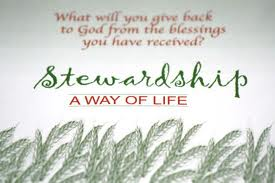
  1. What is the Definition of Stewardship?
By Bishop Demetri
Good evening! I am very happy to be here and speak to all of you on the subject of Christian Stewardship. For each one of us is called by God to be a steward.
What does stewardship mean? Merriam Webster’s dictionary defines it as follows:
Stewardship:
the careful and responsible management of something entrusted to one’s care. –
When we act in the role of steward it means that we have been entrusted with something that does not belong to us. For instance, if you loan your car to me, both you and I would expect that I would take very good care of your vehicle. You may permit me to use it. However, you would expect me to take care of it and return it in substantially the same condition it was when you loaned it to me. This is an example of stewardship.
II. How does the term Stewardship apply to us as God’s children?
READ MORE

Saturday, June 11, 2011

Fr. John Meyendorff on the 


Trinitarian  Dimension of the 


Holy  Spirit

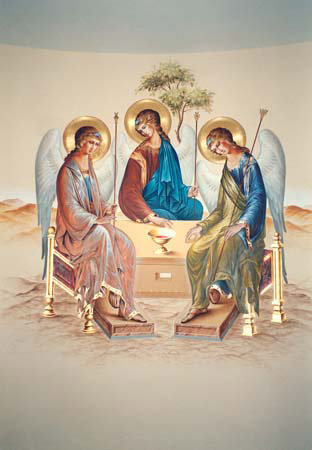
It has often been noted that East and West differ in their approach to the mystery of the divine Trinity. The West takes for granted God’s unity and approaches his “trinity” as a matter of speculation, while the East starts with a living experience of the three and then moves to affirm their equal divinity, and therefore, their unity. Thus the Greek Cappadocian fathers of the fourth century were accused of tritheism because “the groundwork of (their) thought lay in the triplicity of equal hypostases (persons), and the identity of the divine ousia (substance) came second in order of prominence to their minds.”
The difference of approach of the trinitarian mystery is not a philosophical one. It is based on a fundamental interpretation of the New Testament by the Greek fathers who understood the Christian faith as primarily a revelation of divine persons. The Christian faith to them is first of all an answer to Jesus’ question, “Whom say ye that I am? … The Son of the Living God” (Matthew 16:15-16). The authority and effectiveness of Jesus’ actions, as well as of His teachings, depend upon His personal identity. Only God Himself can be the savior, only God overcomes death and forgives sins, only God can communicate divine life to humankind. And the same approach is valid for the interpretation of Jesus’ sending of “another” from the Father—the Spirit. The primarily personal revelation of God is discovered by the early Greek fathers not only in the classic trinitarian formula—the baptismal formula of Matthew 28:19, or the three gifts personally qualified in II Corinthians 13:14 (“ the grace of our Lord Jesus Christ, and the love of God the Father, and the communion [κοιυωυια] of the Holy Spirit”) but also in the Spirit speaking personally to Philip (Acts 8:19), to Peter (Acts 10:19; 11:12), to the church of Antioch (Acts 13:12), to the apostolic council of Jerusalem (“it seemed good to the Holy Spirit and us”-Acts 15:25). The Spirit is understood here as a presence distinct from that of Jesus but possessing the same divine sovereignty.

Thursday, February 24, 2011

Pray for the Reposed

by the New Hieromartyr John of Riga

The death of people who are close and dear to us is one of the most difficult trials sent to us by the Lord God during this temporary life. There are no tears more bitter than the tears of a mother for the beloved child of her heart who goes to the grave before his time. What sorrow can we compare to the sorrow of widows and orphans? Nonetheless, our Lord and Saviour turns to these people, the most unfortunate ones in the eyes of the world, saying respectfully, "Do not weep!" The Apostle Paul commands these sorrowing ones, saying, "Do not sorrow!"

What does all this mean? Of course, it does not mean that we should forget those dear loved ones of ours who have departed, that we should cast them out of our hearts. No. We should love them after their death just as we loved them in life. However, we should not sorrow over their death. Death does not separate us who are Christians from communion in love with those who are dear to us. The Lord Himself has given us the very grace-filled means needed to have communion with them. The first among these means is prayer. Prayer is the best means for spiritual communion among people who are still alive. The Apostle Paul beseeched

Wednesday, February 23, 2011


 FORGIVENESS
A Homily by Father Alexander Schmemann + 1983
As once more we are about to enter the Great Lent, I would like to remind us —myself first of all, and all of you my fathers, brothers, and sisters of  the verse that we just sang, one of the stichera, and that verse says: ‘ ‘Let us begin Lent, the Fast, with joy.”
Only yesterday we were commemorating Adam crying, lamenting at the gates of Paradise, and now every second line of the Triodion and the liturgical books of Great Lent will speak of repentance, acknowledg­ing what dark and helpless lives we live, in which we sometimes are immersed. And yet, no one will prove to me that the general tonality of Great Lent is not that of a tremendous joy! Not what we call “joy” in this world — not just something entertaining, interesting, or amusing — but the deepest definition of joy, that joy of which Christ says: “no one will take away from you” Jn. 16:22 ). Why joy? What is that joy?
So many people under various influences have come to think of Lent as a kind of self-inflicted inconvenience. Very often in Lent we hear these conversations: ‘‘What do you give up for Lent?” — it goes from candy to, I don’t know what. There is the idea that if we suffer enough, if we feel the hunger enough, if we try by all kinds of strong or light ascetical tools, mainly to “suffer” and be “tortured,” so to speak, it would help us to “pay” for our absolution. But this is not our Orthodox faith. Lent is not a punish­ment. Lent is not a kind of painful medicine that helps only inasmuch as it is painful.

Wednesday, February 16, 2011

‫الفيلوكاليا     Φιλοκαλία
   + هى اصطلاح يونانى معناة الحرفى " محبة الجمال " اى أجتلاء القلب ونقاوتة ، وعوده الانسان إلى جماله الأصلى وبهاء طبيعته الاولى التى عندما أبدعها الله و رأى كل ما عمله فإذا هو حسن جدا .
وهناك معانى أخرى للفيلوكاليا تعنى محبة الصلاح والخير .. وهى تتكون من مقطعين حيث " فيلوس " بمعنى " محب" و " كاليا" اى " الجمال" .
 + وكتاب الفيلوكاليا هو عبارة عن كتابات أباء الكنيسة الاولى الذين بلغوا درجات عالية فى الروحيات من قديسى " صلاة يسوع " زمن النساك والعباد ، وقد جمعها القديس مكاريوس الكورنثى (1731-1805)
ونيقوديموس الذى من الجيل المقدس آثوس . وطبعت فى فينيسيا ، وترجمت الى اللغة السلاقية تحت أسم (دوبروتوليبى) . وهى تعنى نفس المفهوم لكلمة " فيلوكاليا" لتضم مختارات نثرية من كل ما هو مكتوب بطريقة جميلة ، وقد استخدمة القديسان باسليوس الكبير وأغريغوريوس النزينزى كعنوان أطلقاه على المختارات التى جمعاها من كتابات العلامة أوريجين.

Wednesday, November 3, 2010

How to Give Alms to the Homeless
We meet homeless people nearly every day on our life's path; people who are often contemptuously called ”bums.” We see them at the train station, near the subway, in town squares and parks, and of course, at the churches, asking for money. Each time we see them, our hearts deliberate painfully over the question, ”Should we give them alms, or not?” Then, other questions immediately arise, ”How much? How should we give them? Is there any sense in giving at all?”
People are generally divided into two groups. The first are those who give according to their means to all, without thinking about it or asking any questions, following the Lord's words, Give to him that asketh thee, and from him that would borrow of thee turn not thou away (Mt. 5:42). The second group

Wednesday, October 27, 2010

Why Do We Need The Church?
“When we stay within the embrace of our mother the Church, we can know that we are with our Lord.”
A frequent question we hear is “Why do we need the Church?” People want to know why they must go to a particular church, attend services they may not understand, obey rules that feel constricting to their lifestyle, and spend time with others they do not know or want to know. They say it is enough to talk to God in their own way, where and when they are in the mood to do so. They have lost the vision that our Lord’s purpose for incarnating as a human being was not simply to establish places to gather for rituals and coffee hour. “Church” is far more than buildings, rites and rules.
Why do we need church?so that we can know, experience and live within God, here on earth as well as in eternity. How can we possibly make such an incredible claim? On the one hand this life with God is difficult to describe in words, in the same way it is difficult to explain failing in love. On the other hand, Scripture is very clear that knowing God is precisely what He has in mind and to know God is to live in Him. He created

Monday, October 11, 2010

إختباري الشخصي مع الله
القديس غريغوريوس النزينزي
كان أبي رجلاً نبيلاً بكل المقاييس، رجلاً كبير السن، بسيطاً في الإسلوب، مثالاً يُحتذى به، حقاً بطريركاً ثانياً كإبراهيم. لم يكن فقط يبدو نبيلاً مثل أغلبية الناس في الوقت الحاضر، بل كان بالحقيقة كذلك. بالفعل، ضلَّ في يوم من الأيام، إلا أنه صار صديقاً للمسيح بعد ذلك، ثم فيما بعد قساً، بل أفضل جميع القساوسة. أما أمي نونا لكي أصفها بإختصار، كانت الشريكة الملائمة لرجل من هذه النوعية، وفضائلها مشابهة. من سلالة تقية، إلا أنها كانت فاقت الجميع في التقوى. سيدة بالجسد نعم، إلا أنها كانت تفوق أي رجل بشخصيتها. كانت حياة كلا الوالدين على حد سواء نموذجاً يُحتذى به. هل يمكنني إظهار ذلك مقدماً دلائل؟ كشاهد على الإدعاء، سوف أقدم أمي نفسها، فم الحقيقة ذاتها. كانت بعيدة كل البعد عن الإفتخار بأمور خاصة للمجد الباطل، بل كان الأقرب إليها إخفاء أمر شائع من أن تفعل ذلك. كانت مخافة الله دليلها، فالمخافة مُعلّم صالح.
كانت متلهفة لرؤية طفل ذكر في بيتها، هذه حقاً أمنية شائعة عند العديد من الناس. إتجهت إلى الله وصلَّت من أجل تتميم أمنيتها، إذ أنها عندما كانت تُثبِّت ذهنها على شيء لم يكن بسهولة إعاقتها. الله منحها الجميل، إذ كانت بالفعل تتوقع الإستجابة لإمنيتها الرائعة بدون التوقف عن الصلاة المملوءة بالحب. أتى إلها تذوق سابق جليل، رؤية تحتوي على ظل طلبها. ظهر إليها بكل وضوح شبهي واسمي في حُلم بالليل. ثم ولدتُ لهما، عطية من الله

Wednesday, September 29, 2010

On The Lord’s Prayer

by St. Cyril of Jerusalem
Our father among the saints Cyril of Jerusalem (315-3as a distinguished theologian and archbishop of Jerusalem in the early Church. His famous 23 catechetical lectures, which he delivered while still a presbyter in 347 or 348, contain instructions on the principal topics of Christian faith and practise, in a popular rather than scientific manner, full of a warm pastoral love and care for the catechumens to whom they were delivered. Each lecture is based upon a text of Scripture, and there is an abundance of Scriptural quotation throughout. After a general introduction, eeen lectures follow for the competentes, and the remaining five are addressed to the newly baptized, in preparation for the reception of Holy Communion.
Then, after these things, we say that Prayer which the Saviour delivered to His own disciples, with a pure conscience entitling God our Father, and saying, Our Father, which art in heaven. O most surpassing loving-kindness of God! On them who revolted from Him and were in the very extreme of misery has He bestowed such a complete forgiveness of evil deeds, and so great participation of grace, as that they